The parking brake — often called the handbrake or emergency brake — plays a crucial role in vehicle safety. While many drivers think of it as a simple lever or button, the true work happens underneath the car, where parking brake cables transmit mechanical force to the rear brakes. These cables ensure your vehicle stays securely parked on inclines, assists during emergency stops, and provides backup braking if the hydraulic system fails.
Understanding how parking brake cables operate, what causes them to fail, and how to identify early warning signs can prevent costly repairs and dangerous situations.
How Parking Brake Cables Work
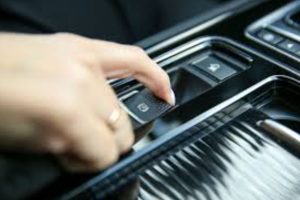
Parking brake systems rely on a direct mechanical connection rather than hydraulic pressure. This makes them dependable even when the main braking system loses pressure.
Main Components of a Parking Brake System
-
Parking brake lever or electronic switch
-
Primary and secondary brake cables
-
Equalizer (balancer)
-
Rear brake mechanism (drums or discs)
-
Cable guides, pulleys, and brackets
How the System Engages
-
The driver pulls the handbrake lever or presses the electronic parking brake button.
-
Mechanical tension is applied to the primary cable.
-
The primary cable transfers force to the equalizer.
-
The equalizer distributes tension evenly to the secondary cables.
-
The cables pull the rear brake shoes or caliper mechanisms.
-
The rear brakes lock the wheels, preventing movement.
Because the system depends solely on cable tension, the quality and condition of the cables directly impact how reliable the parking brake is.
Types of Parking Brake Cables
Different vehicles may use various brake cable configurations depending on suspension layout and rear brake type.
| Type of Cable | Description | Typical Use |
|---|---|---|
| Front/Primary Cable | Connects lever/button to equalizer | All systems |
| Rear/Secondary Cable | Delivers force to each rear wheel | Drum & disc brakes |
| Intermediate Cable | Used in longer wheelbase vehicles | Vans, SUVs, trucks |
| Electronic Parking Brake Cable | Works with a motor or actuator | Modern vehicles |
Common Causes of Parking Brake Cable Failure
Parking brake cables live under the car, exposed to dirt, moisture, and road salt. Over time, they suffer from:
1. Corrosion
Moisture enters the cable housing, causing rust and seizing.
2. Fraying or Stretching
Metal strands weaken from repeated use, extra tension, or age.
3. Frozen Cables in Winter
Water inside the housing freezes, preventing movement.
4. Damaged Protective Sheath
Cracks allow debris and water to enter, accelerating wear.
5. Poor Lubrication
Dry cable housings cause resistance and sticking.
6. Mechanical Damage
Off-road driving, impacts, or loose suspension components can crush or bend cables.
Top Symptoms of a Failing Parking Brake Cable
Identifying issues early helps avoid complete brake loss or vehicle roll-away.
1. Parking Brake Doesn’t Hold the Car
If the vehicle rolls on even a slight incline, tension may be:
-
Too low due to stretching
-
Uneven due to equalizer issues
-
Lost due to a broken cable
This is the most critical symptom.
2. Excessive Lever Travel or Loose Handbrake
A lever that pulls too high indicates:
-
Cable stretching
-
Cable wear
-
Loose tension from corrosion or damage
For electronic systems, you may see an error message on the dashboard.
3. Parking Brake Stays Engaged
A dragging parking brake often means:
-
The cable is stuck inside its housing
-
Rusted sections prevent release
-
Cable ends or brackets are seized
This can lead to overheating brakes and poor fuel economy.
4. Uneven Braking Between Rear Wheels
If only one wheel locks when the handbrake is applied, the cause may be:
-
One cable stretched more than the other
-
Corroded or broken secondary cable
-
Faulty equalizer
This imbalance is dangerous on slippery surfaces.
5. Clicking, Grinding, or Snapping Sounds
Sounds when engaging the brake may indicate:
-
Fraying inner cable strands
-
Broken sections
-
Worn pulleys or guides
A snapping sound usually means the cable has failed completely.
6. Rust or Visible Damage Under the Car
Corrosion, cracked housings, or loose fittings are strong indicators that replacement is needed soon.
Table: Symptoms and Their Likely Causes
| Symptom | Likely Cause | Severity |
|---|---|---|
| Brake doesn’t hold car | Stretched or broken cable | Critical |
| Excessive lever travel | Cable wear or misadjustment | High |
| Brake stays engaged | Seized or frozen cable | High |
| Uneven rear braking | One cable stretched or corroded | High |
| Clicking noises | Frayed or broken inner cable | Medium |
| Rust on cable housing | Aging, moisture exposure | Medium |
How to Protect Your Parking Brake Cables
You can extend cable lifespan by following these practices:
Regular Maintenance
-
Inspect cables during routine brake service.
-
Check for rust, stiffness, or cracked housings.
Use the Parking Brake Regularly
Regular operation keeps cables flexible and prevents seizing.
Avoid Driving With the Brake Partially Engaged
This accelerates stretching and damage.
Protect Against Winter Conditions
If possible, park in a dry place to avoid frozen cables.
When to Replace Parking Brake Cables
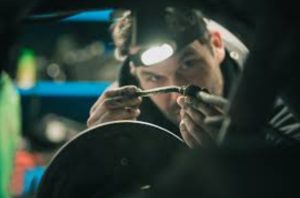
Replace cables immediately if you notice:
-
Sticking or dragging brakes
-
Complete loss of parking brake function
-
A snapped cable
-
Severe corrosion
-
Uneven rear-wheel braking
Most manufacturers recommend replacing cables every 5–10 years, depending on climate and driving conditions.
Where to Buy Quality Parking Brake Cables
For reliable, long-lasting replacements, you can easily buy Hoses, Pipes, Cables & Components online and ensure your parking brake system stays safe and functional.
Conclusion
Parking brake cables are simple yet vital components that keep your vehicle secure when parked and provide emergency stopping power. Over time, corrosion, stretching, and wear can cause them to fail — often gradually, but sometimes suddenly. Recognizing the symptoms early, maintaining the system properly, and replacing worn cables with high-quality parts ensures safe and reliable braking.
A well-functioning parking brake is an essential part of responsible vehicle maintenance — and your safety on the road depends on it.