The parking brake, also known as the emergency brake or handbrake, is a vital safety feature in every vehicle. It holds the car stationary when parked and acts as a backup in case of primary brake failure. A properly adjusted parking brake cable ensures effective braking performance and safety. However, over time, parking brake cables can stretch, corrode, or become misaligned, resulting in a loose or ineffective brake.
This article will guide you through the process of properly adjusting a parking brake cable, covering the reasons for adjustment, the tools needed, step-by-step instructions, common pitfalls, and maintenance tips. By following these guidelines, you can ensure your parking brake functions safely and reliably.
Why Adjust the Parking Brake Cable?
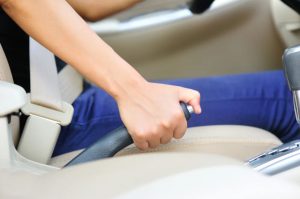
Parking brake cables are subject to wear and tear due to:
-
Cable stretch from regular use
-
Corrosion or rust buildup
-
Cable fraying or damage
-
Improper previous installation or adjustment
When the cable becomes too loose, the parking brake lever or pedal may have to be pulled excessively, or the brakes may fail to hold the vehicle on an incline. Conversely, an overly tight cable can cause brake drag, leading to premature wear of brake components.
Tools and Materials Needed
| Tool / Material | Purpose |
|---|---|
| Jack and jack stands | To safely lift and support the vehicle |
| Wheel chocks | To prevent vehicle movement during work |
| Socket set and wrenches | To loosen/tighten bolts and nuts |
| Screwdriver or pliers | To access or manipulate adjustment nuts |
| Brake cleaner | To clean brake components |
| Lubricant or cable grease | For cable lubrication to ensure smooth operation |
| Flashlight or work light | To improve visibility under the vehicle |
| Service manual (optional) | Vehicle-specific adjustment instructions |
Types of Parking Brake Systems
Understanding your vehicle’s parking brake type is important for proper adjustment:
| System Type | Common Application | Adjustment Method |
|---|---|---|
| Cable-operated | Most passenger cars and light trucks | Adjust cable tension at equalizer or rear wheel lever |
| Electronic parking brake (EPB) | Modern vehicles with electronic control | Usually self-adjusting or adjusted via diagnostic tool |
This article focuses on cable-operated parking brakes, as they require manual adjustment.
Step-by-Step Guide to Adjusting the Parking Brake Cable
Step 1: Prepare the Vehicle
-
Park on a level surface
-
Engage the primary brakes
-
Place wheel chocks around the wheels opposite to the side you’ll work on
-
Lift the vehicle using a jack and secure with jack stands for safety
-
Remove the rear wheels if necessary to access the brake components
Step 2: Locate the Parking Brake Cable and Adjustment Point
-
Locate the parking brake cable running from the handbrake lever/pedal assembly to the rear brakes
-
Identify the adjustment mechanism; it is often found:
-
Near the handbrake lever inside the cabin (under console or carpet)
-
Under the vehicle near the equalizer junction (where cables split left and right)
-
At the rear brake assembly (drum or disc brakes with integrated parking brakes)
-
Step 3: Check Current Brake Cable Tension
-
Pull the handbrake lever and count the number of clicks before the brakes engage firmly
-
Typically, 4-7 clicks indicate correct tension, but consult your vehicle’s service manual for exact numbers
-
If too many clicks or lever feels loose, the cable is too slack
Step 4: Adjust the Cable Tension
-
For under-vehicle adjusters:
-
Locate the adjustment nut on the cable
-
Use a wrench or pliers to turn the nut and tighten the cable
-
Tighten gradually and test the handbrake lever for proper tension
-
-
For in-cabin adjusters:
-
Remove the console cover or carpet to access the adjustment nut
-
Turn the nut clockwise to tighten the cable
-
Test the handbrake lever after each adjustment
-
Step 5: Test Brake Engagement and Release
-
After adjustment, pull the parking brake lever to ensure it engages firmly within the recommended number of clicks
-
Lower the vehicle and remove the jack stands and wheel chocks
-
Test the parking brake on a slight incline to verify it holds the vehicle securely
-
Release the parking brake and confirm the rear wheels spin freely without drag
Step 6: Lubricate and Inspect Cable Condition
-
Clean any dirt or rust from the cable and its components using brake cleaner
-
Apply appropriate lubricant or cable grease to prevent corrosion and ensure smooth operation
-
Inspect cable for fraying or damage; replace if necessary
Common Issues and Troubleshooting
| Problem | Cause | Solution |
|---|---|---|
| Parking brake lever too loose | Cable stretch, corrosion, or improper adjustment | Tighten cable or replace if damaged |
| Brake drag or rear wheels lock | Cable too tight or sticking components | Loosen cable, clean and lubricate |
| Uneven brake engagement | Unequal cable tension or worn hardware | Adjust cables individually or replace components |
| No parking brake engagement | Broken cable or disconnected linkage | Inspect and replace cable if needed |
Maintenance Tips to Prolong Cable Life
-
Periodically inspect the parking brake cable for wear and corrosion
-
Clean and lubricate moving parts annually or during brake servicing
-
Avoid excessive force when pulling the parking brake lever
-
Replace cables as part of brake system overhaul or if signs of damage appear
Why Proper Adjustment Matters
An accurately adjusted parking brake:
-
Ensures vehicle remains stationary on slopes
-
Provides an effective backup braking system
-
Prevents premature brake component wear
-
Avoids legal and safety issues related to faulty parking brakes
When to Replace the Parking Brake Cable

If the cable shows:
-
Significant rust or corrosion
-
Fraying or broken strands
-
Loss of flexibility or stiffness
-
Irreparable stretch despite adjustment
Replacement is necessary to maintain safety. You can buy Hoses, Pipes, Cables & Components online and select high-quality, durable cables suitable for your vehicle model.
Quick Reference: Parking Brake Cable Adjustment Summary
| Step | Action | Notes |
|---|---|---|
| 1 | Prepare vehicle and safety equipment | Use jack stands and chocks |
| 2 | Locate cable and adjustment point | Check service manual |
| 3 | Check current cable tension | Count handbrake clicks |
| 4 | Tighten or loosen adjustment nuts | Adjust gradually |
| 5 | Test brake engagement on incline | Ensure vehicle holds steady |
| 6 | Lubricate and inspect cable condition | Replace if damaged |
Conclusion
Adjusting your parking brake cable properly is essential for vehicle safety and brake system longevity. Regular inspection and timely adjustments prevent brake failure, ensure smooth operation, and avoid costly repairs. By following the steps outlined in this guide, you can maintain an effective parking brake system that reliably holds your vehicle in place.
If your parking brake cable is damaged or excessively worn, do not delay replacement. High-quality parts can be conveniently sourced when you buy Hoses, Pipes, Cables & Components online to ensure your vehicle’s brake system remains safe and efficient.
Proper maintenance and adjustment of your parking brake cable will keep you safe on the road and give you confidence in your vehicle’s braking system.