Brake lines, often referred to as brake pipes, are a critical part of a vehicle’s braking system. They transport pressurized brake fluid from the master cylinder to the calipers or wheel cylinders, enabling effective braking. Despite their importance, brake lines are frequently overlooked during routine maintenance until a serious failure occurs. Understanding common brake line failures, their causes, and preventive measures can help maintain braking performance and ensure vehicle safety.
Why Brake Lines Are So Important
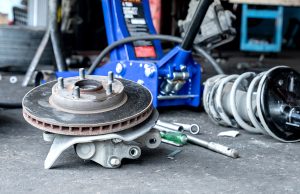
Brake lines must withstand:
-
High hydraulic pressure
-
Constant temperature changes
-
Road vibrations
-
Exposure to moisture, salt, dirt, and debris
Any weakness or damage can lead to brake fluid leaks, pressure loss, and ultimately brake failure.
Common Brake Line Failures
1. Corrosion and Rust
Corrosion is the most common cause of brake line failure, especially in regions with harsh winters or coastal climates.
Why it happens:
-
Road salt accelerates oxidation
-
Moisture accumulates along the line
-
Protective coatings wear off over time
Once corrosion penetrates the pipe wall, leaks or ruptures become inevitable.
2. Mechanical Damage
Brake lines are routed along the vehicle’s underbody, making them vulnerable to physical damage.
Common causes include:
-
Impact from road debris or rocks
-
Improper lifting on a jack or lift
-
Off-road driving or rough terrain
Even small dents can weaken the pipe and create stress points.
3. Fatigue and Vibration Cracks
Over time, constant vibration can cause metal fatigue, especially at mounting points or bends.
High-risk areas:
-
Connection points near calipers
-
Areas without proper clips or supports
-
Sharp bends in the brake pipe
Micro-cracks may form and expand under pressure.
4. Improper Installation or Repairs
Incorrectly installed brake lines can fail prematurely.
Typical mistakes:
-
Over-tightening fittings
-
Using incorrect pipe material
-
Poor flaring or sealing
-
Incorrect routing causing chafing
DIY repairs without proper tools often increase failure risk.
5. Material Degradation
Not all brake pipes are made equal. Inferior materials may not tolerate pressure or environmental exposure.
| Brake Line Material | Advantages | Disadvantages |
|---|---|---|
| Steel | Strong, affordable | Prone to corrosion |
| Copper-Nickel (CuNi) | Corrosion resistant, flexible | Higher cost |
| Stainless Steel | Very durable, corrosion resistant | Harder to install |
Warning Signs of Brake Line Problems
Drivers should never ignore these symptoms:
-
Soft or spongy brake pedal
-
Brake warning light illuminated
-
Visible fluid leaks under the vehicle
-
Reduced braking performance
-
Uneven braking or pulling to one side
Immediate inspection is required if any of these occur.
How to Prevent Brake Line Failures
Regular Visual Inspections
Inspect brake lines during oil changes or seasonal maintenance:
-
Look for rust, cracks, or wet spots
-
Pay attention to mounting points
-
Check areas near wheels and underbody
Early detection prevents costly repairs.
Protective Coatings and Routing
-
Apply anti-corrosion coatings where possible
-
Ensure lines are secured with proper clips
-
Avoid sharp bends and contact with moving parts
Good routing reduces vibration stress and abrasion.
Choose Quality Materials
Upgrading to corrosion-resistant brake pipes can significantly extend service life, especially in demanding environments.
| Driving Conditions | Recommended Brake Line |
|---|---|
| Urban / mild climate | Coated steel |
| Snowy / coastal areas | Copper-nickel |
| Performance or long-term use | Stainless steel |
Proper Installation Practices
Always use:
-
Correct flaring tools
-
Manufacturer-specified torque values
-
Compatible fittings and seals
Professional installation ensures safety and longevity.
Timely Replacement
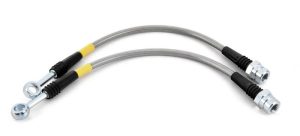
Brake lines should never be repaired with temporary fixes. If corrosion or damage is found, replacement is the only safe solution.
For high-quality brake pipes, hoses, and related components, you can buy Hoses, Pipes, Cables & Components online and choose parts designed for durability and safety.
Preventive Maintenance Checklist
-
Inspect brake lines at least once a year
-
Clean underbody regularly to remove salt and dirt
-
Replace damaged clips and mounts
-
Use corrosion-resistant materials when upgrading
-
Address brake fluid leaks immediately
Conclusion
Brake line failures are often silent until they become dangerous. Corrosion, mechanical damage, vibration fatigue, and poor installation are the most common causes of brake pipe problems. Fortunately, most of these issues are preventable through regular inspections, proper materials, correct installation, and timely replacement.
A well-maintained brake line system ensures consistent hydraulic pressure and reliable stopping power in all driving conditions. By investing in quality components and proactive maintenance, you protect not only your vehicle but also everyone on the road. For dependable solutions tailored to your braking system needs, be sure to buy Hoses, Pipes, Cables & Components online and keep your vehicle’s braking system safe and reliable.