Brake drums play a critical role in the braking systems of many vehicles, especially in trucks, SUVs, and some passenger cars. While disc brakes have become more common, brake drums remain widely used due to their durability, cost-effectiveness, and suitability for heavy-duty applications. Understanding how brake drums function, their importance in vehicle safety, and factors influencing their performance can help drivers make informed maintenance and replacement decisions. This article explores the essential role brake drums play in vehicle safety and overall performance.
What Are Brake Drums?
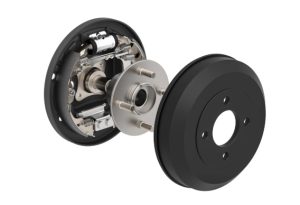
A brake drum is a cylindrical component attached to the vehicle’s wheel hub. When the driver presses the brake pedal, brake shoes inside the drum press outward against the drum’s inner surface, creating friction that slows or stops the wheel’s rotation. This friction converts kinetic energy into heat, safely slowing the vehicle.
Key Components of a Drum Brake System:
-
Brake drum: The rotating part attached to the wheel.
-
Brake shoes: Curved friction pads that press against the drum.
-
Wheel cylinder: Hydraulic component that pushes the brake shoes.
-
Return springs: Pull brake shoes away from the drum when brakes are released.
-
Adjuster mechanism: Maintains proper shoe-to-drum clearance.
How Brake Drums Contribute to Vehicle Safety
Brake drums are integral to the vehicle’s ability to stop safely. Their contribution to safety includes:
-
Effective braking force
Brake drums provide a large friction surface area, allowing them to generate significant braking force, especially in heavier vehicles. -
Reliable performance under heavy loads
Drum brakes are more resistant to wear under heavy load conditions, making them ideal for trucks, buses, and off-road vehicles. -
Durability and longevity
Brake drums typically have a longer service life compared to disc rotors because they are less exposed to environmental elements. -
Heat dissipation
Though disc brakes generally dissipate heat better, brake drums are designed to withstand heat buildup and maintain braking performance during prolonged use. -
Parking brake integration
Many vehicles use drum brakes in the rear wheels because their design easily integrates a mechanical parking brake system.
Brake Drum vs. Disc Brake: Safety and Performance Comparison
| Feature | Brake Drum | Disc Brake |
|---|---|---|
| Braking efficiency | Good, especially for heavy loads | Higher, better heat dissipation |
| Heat dissipation | Moderate, prone to fade in extreme use | Excellent, less brake fade |
| Maintenance complexity | More complex due to internal components | Easier to inspect and service |
| Durability | Longer lifespan in heavy-duty use | Can wear faster in harsh conditions |
| Cost | Generally lower cost | Higher initial cost |
| Parking brake function | Easily integrated | Requires separate mechanism |
Common Brake Drum Issues Affecting Safety and Performance
Even though brake drums are reliable, several issues can affect their effectiveness and vehicle safety:
-
Brake drum wear
Over time, brake drums wear down due to friction. Excessive wear reduces braking efficiency and can cause vibrations. -
Brake drum scoring
Scoring or grooves can form on the drum surface from debris or worn brake shoes, reducing contact area and increasing stopping distances. -
Heat cracks
Repeated heavy braking can cause heat cracks in the drum, compromising structural integrity. -
Out-of-round drums
Uneven wear or damage can cause the drum to become out-of-round, leading to brake pulsation or noise. -
Contamination
Oil, grease, or brake fluid contamination on the drum surface reduces friction, resulting in poor braking.
Maintenance Tips for Brake Drums
Proper maintenance ensures brake drums provide safe and reliable performance:
-
Regular inspection
Have your brake drums inspected at least once a year or per manufacturer recommendations. -
Check for wear and damage
Measure drum diameter and check for scoring or cracks. Replace or machine drums if out of tolerance. -
Replace brake shoes timely
Worn brake shoes can damage the drum surface; replace shoes as needed. -
Avoid contamination
Keep brake components free of oil, grease, and brake fluid. -
Adjust brake shoes properly
Proper shoe adjustment maintains optimal brake performance and reduces uneven wear.
Signs Your Brake Drums Need Attention
Recognizing early signs of brake drum issues can prevent costly repairs and safety risks:
-
Grinding or squealing noises
Often indicate worn brake shoes or damaged drums. -
Vibration or pulsation during braking
Suggests out-of-round drums. -
Reduced braking performance
Longer stopping distances may indicate worn or contaminated drums. -
Brake pedal feels soft or spongy
Could signal hydraulic problems or issues with the drum brake components. -
Brake warning light
May illuminate due to brake system faults, including drum brake issues.
Choosing the Right Brake Drums
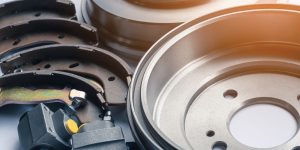
Selecting quality brake drums designed for your vehicle ensures safe and efficient braking. Consider the following factors:
-
Compatibility
Always choose brake drums specified for your vehicle make and model. -
Material
Most brake drums are made of cast iron for strength and heat resistance, but some use composite materials for weight reduction. -
Quality standards
Look for drums meeting or exceeding OEM specifications. -
Performance needs
Heavy-duty or performance vehicles may require reinforced or vented brake drums.
To explore a wide selection of reliable brake drums, you can Buy Brake Drum online tailored to your vehicle’s needs.
Summary Table: Brake Drum Maintenance Checklist
| Task | Frequency | Notes |
|---|---|---|
| Visual inspection | Every 10,000–15,000 km | Look for cracks, scoring, wear |
| Drum diameter measurement | Every brake service | Replace if beyond wear limits |
| Brake shoe replacement | As needed | Replace before excessive wear |
| Cleaning | During brake service | Remove dust and debris |
| Brake adjustment | At every brake service | Ensure proper shoe-to-drum clearance |
Conclusion
Brake drums remain a cornerstone of vehicle safety and performance, especially in heavy-duty and certain passenger vehicles. Their ability to generate strong braking force, withstand heavy loads, and integrate parking brakes makes them invaluable. However, like all brake components, brake drums require regular inspection, maintenance, and timely replacement to ensure safe operation.
Understanding how brake drums function and recognizing signs of wear or damage helps drivers maintain optimal braking performance and safety. When it’s time to replace or upgrade your brake components, choosing quality parts is crucial. To find durable, reliable options, you can Buy Brake Drum online and keep your vehicle stopping safely and efficiently.