Brake systems are essential for vehicle safety, and among the various components, brake drums have played a pivotal role in automotive history. Though disc brakes have gained popularity in recent decades, brake drums continue to be a significant component in modern cars, particularly in rear-wheel applications and certain commercial vehicles. The evolution of brake drums reflects advances in automotive technology, materials science, and manufacturing techniques aimed at enhancing braking performance, durability, and safety.
This article explores the historical development, technological advancements, current applications, and future outlook of brake drums in modern cars.
Early History of Brake Drums
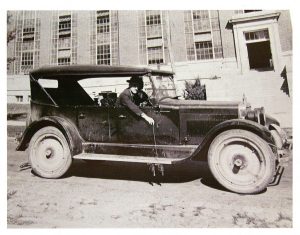
The brake drum design dates back to the early 20th century, when automotive braking systems transitioned from mechanical to hydraulic operation. Early vehicles used drum brakes exclusively due to their simple design and ability to provide effective braking force.
-
Mechanical Drum Brakes: Initially, brake drums worked through mechanical linkages connecting the pedal to brake shoes inside the drum.
-
Hydraulic Drum Brakes: The invention of hydraulic brake systems improved braking force distribution and reliability, making drum brakes standard in most vehicles.
Key Advantages of Early Brake Drums
-
Simple construction
-
Cost-effective manufacturing
-
Effective braking for the vehicle weights of the time
-
Integration with parking brake systems
Despite these benefits, drum brakes had limitations in heat dissipation and brake fade during prolonged use, especially at higher speeds.
Technological Advances in Brake Drum Design
As cars became faster and heavier, brake drums evolved to meet new demands. These advances included:
-
Material Improvements
-
Early brake drums were made primarily from cast iron due to its strength and heat resistance.
-
Modern brake drums use improved alloys and composites to reduce weight and improve thermal conductivity.
-
-
Vented Brake Drums
-
Introduced to enhance cooling by allowing airflow through internal vanes.
-
Help reduce brake fade during heavy use.
-
-
Improved Manufacturing Techniques
-
CNC machining for precision and better fitment.
-
Surface treatments to reduce wear and corrosion.
-
-
Integration with ABS and Electronic Brake Systems
-
Brake drums now work seamlessly with modern anti-lock braking systems (ABS) and electronic stability control (ESC).
-
Sensors detect wheel speed and modulate hydraulic pressure for safer braking.
-
Modern Applications of Brake Drums
Though disc brakes dominate front braking in modern cars, brake drums remain widely used in:
-
Rear wheels of passenger vehicles
Many manufacturers retain drum brakes in rear applications due to their effective parking brake integration and cost efficiency. -
Light trucks and SUVs
Where durability and load-bearing capacity are critical. -
Commercial vehicles and trailers
Due to their robust performance under heavy loads and simple maintenance.
Comparison: Drum Brakes vs. Disc Brakes in Modern Cars
| Feature | Brake Drum | Disc Brake |
|---|---|---|
| Heat Dissipation | Moderate; risk of brake fade | Excellent; resists fade better |
| Maintenance | More complex internal components | Easier to inspect and service |
| Parking Brake Integration | Easy mechanical integration | Requires additional components |
| Cost | Lower initial cost | Higher initial cost |
| Durability | Long-lasting, especially under load | Can wear faster in harsh use |
| Performance | Adequate for rear wheels | Superior for front braking |
Innovations Shaping Modern Brake Drums
Recent innovations focus on enhancing brake drum performance while addressing traditional shortcomings:
-
Lightweight Materials
Incorporating aluminum alloys and composites to reduce unsprung mass and improve fuel efficiency. -
Enhanced Cooling Designs
Complex venting systems and cooling fins improve heat dissipation. -
Noise Reduction Technologies
Use of noise-damping materials and optimized drum geometries to reduce brake noise and vibration. -
Improved Surface Treatments
Ceramic coatings and anti-corrosion treatments extend drum life and maintain performance in harsh environments.
Maintenance and Longevity of Modern Brake Drums
Brake drums are known for their longevity, but regular maintenance is vital for safety and performance:
-
Inspection: Regular checks for wear, scoring, or cracks.
-
Machining: Resurfacing worn drums to restore smoothness.
-
Replacement: When wear exceeds manufacturer limits or damage is present.
-
Brake Shoe Maintenance: Ensuring shoes are replaced before they excessively wear down and damage drums.
List: Signs Your Brake Drums Need Attention
-
Excessive brake pedal travel
-
Vibrations or pulsations during braking
-
Squealing or grinding noises
-
Reduced braking efficiency
-
Visible scoring or cracks on the drum surface
Table: Typical Brake Drum Specifications Over Time
| Era | Material | Diameter Range (mm) | Typical Vehicle Use | Notable Features |
|---|---|---|---|---|
| 1920s-1950s | Cast iron | 200-300 | Early passenger cars | Basic solid drums |
| 1960s-1980s | Cast iron alloys | 250-350 | Passenger & trucks | Introduction of vented drums |
| 1990s-present | Advanced alloys & composites | 250-400 | Modern cars & commercial vehicles | Lightweight, precision-machined, enhanced cooling |
The Future of Brake Drums in Automobiles
As automotive technology advances, brake drums continue to evolve:
-
Hybrid and Electric Vehicles (EVs):
Many EVs use regenerative braking, reducing the load on traditional brakes, potentially extending drum life or allowing for smaller drum designs. -
Smart Brake Systems:
Integration with vehicle sensors and electronics will optimize drum brake performance dynamically. -
Eco-Friendly Manufacturing:
New manufacturing processes aim to reduce environmental impact through recycled materials and cleaner production methods.
Despite the rise of disc brakes, brake drums remain relevant due to their reliability, cost-effectiveness, and suitability for specific vehicle needs.
Conclusion
The evolution of brake drums reflects continuous innovation aimed at balancing safety, performance, and cost. From early mechanical systems to today’s precision-engineered components integrated with electronic controls, brake drums have adapted to meet the changing demands of modern vehicles.
Whether you drive a compact car, SUV, or commercial truck, maintaining high-quality brake drums is essential for safe and reliable braking. When it’s time to replace or upgrade your brake drums, consider selecting from a wide range of durable options available to fit your vehicle’s requirements. You can Buy Brake Drum online to ensure you choose quality products designed for optimal performance and safety.