Brake hoses may seem like small, simple components, but they play a crucial role in ensuring safe and responsive braking. These flexible tubes carry pressurized brake fluid from the master cylinder to the brake calipers or wheel cylinders. Without reliable brake hoses, even the most advanced braking system cannot perform effectively. Understanding their types, materials, and impact on braking performance helps drivers maintain safer vehicles and make smarter replacement choices.
What Brake Hoses Do and Why They Matter
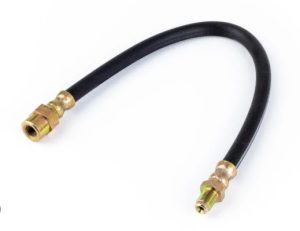
Brake hoses must withstand:
-
High hydraulic pressure
-
Extreme temperatures
-
Constant movement and flexing
-
Road debris, moisture, and corrosion
Their job is to deliver consistent brake fluid pressure. Any weakness — cracks, swelling, internal blockages, or leaks — can cause soft pedal feel, longer stopping distances, or complete brake failure.
Main Types of Brake Hoses
Modern vehicles typically use one of the following hose types, each with different characteristics:
1. Rubber Brake Hoses
The most common type in standard passenger cars.
Pros:
-
Flexible and affordable
-
Good vibration absorption
-
Suitable for daily driving
Cons:
-
Can swell internally over time
-
More prone to aging, cracking, and softening
-
Expands slightly under pressure
2. Braided Stainless Steel Brake Hoses
Often used in performance or heavy-duty applications.
Pros:
-
Minimal expansion under pressure
-
Improved pedal feel and responsiveness
-
Highly resistant to abrasion
Cons:
-
More expensive
-
Harder to inspect (braid hides internal wear)
-
Can be stiff and challenging to install
3. PTFE (Teflon) Brake Hoses
Commonly used in high-performance and racing environments.
Pros:
-
Extremely resistant to heat and chemicals
-
Long-lasting and precise pressure delivery
-
Does not absorb moisture
Cons:
-
Requires stainless-steel braiding for protection
-
Higher cost than rubber hoses
Comparison Table: Brake Hose Types
| Brake Hose Type | Flexibility | Pressure Resistance | Longevity | Best Use Case |
|---|---|---|---|---|
| Rubber | High | Moderate | Medium | Daily driving |
| Stainless Steel Braided | Medium | High | High | Performance, towing |
| PTFE (Teflon) | Low | Very High | Very High | Racing, heavy-duty |
Brake Hose Materials and Their Effects
Brake hoses are made from layers of materials that determine overall durability, flexibility, and safety:
Outer Layer Materials
-
EPDM rubber – resists heat and chemicals, common in OEM hoses
-
Nylon-reinforced rubber – stronger and more durable
-
Braided stainless steel – prevents expansion and abrasion damage
Inner Tube Materials
-
Rubber – flexible but can degrade with moisture
-
PTFE (Teflon) – chemically inert and extremely heat-resistant
A better-quality hose reduces fluid expansion, which translates into a firmer and more precise brake pedal response.
How Brake Hoses Affect Braking Performance
Even small differences in hose design can significantly influence braking feel and reaction time.
1. Pedal Feel
Rubber hoses expand slightly under pressure, causing the brake pedal to feel spongy. Braided or PTFE hoses minimize expansion, resulting in sharper braking feedback.
2. Stopping Distance
While hoses alone do not drastically shorten stopping distance, consistent fluid pressure ensures predictable and stable braking, especially during repeated hard braking.
3. Heat Resistance
Under high heat — such as downhill braking or towing — lower-quality hoses may soften or expand, reducing braking efficiency.
4. Safety
A weak or damaged hose can burst under pressure, causing sudden brake failure. This makes regular inspection and timely replacement essential.
Signs Your Brake Hoses Need Replacement
Look for these indicators during maintenance or driving:
-
Soft or spongy brake pedal
-
Wet spots near brake lines or calipers
-
Visible cracks or swelling
-
Corrosion at metal fittings
-
Pulling to one side during braking
-
Increased stopping distance
If any of these symptoms appear, replace the hoses immediately.
Maintenance Tips for Longer Hose Lifespan
-
Inspect hoses every 20,000–30,000 km
-
Replace rubber hoses every 5–7 years
-
Avoid stretching or twisting hoses during wheel removal
-
Flush brake fluid regularly to prevent internal corrosion
-
Use protective guards or sleeves for off-road conditions
When to Upgrade to Stainless Steel or PTFE
Consider upgrading if you:
-
Drive a performance or sports car
-
Frequently tow heavy loads
-
Travel off-road
-
Want a firmer, more responsive pedal feel
These hoses provide higher reliability, especially in demanding conditions.
Where to Buy Quality Brake Hoses
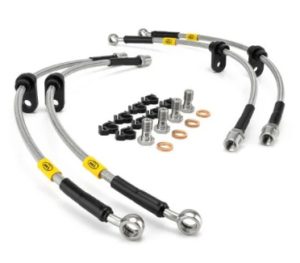
If you need new brake hoses or want to upgrade your brake system, you can easily buy Hoses, Pipes, Cables & Components online for a wide selection of reliable, high-quality parts.
Conclusion
Brake hoses may not be the most noticeable part of your vehicle’s braking system, but their importance cannot be overstated. Choosing the right type — rubber, stainless steel braided, or PTFE — directly affects pedal feel, braking performance, longevity, and safety. Regular inspection and timely replacement ensure that brake fluid pressure remains stable and responsive, protecting both your vehicle and your passengers.
For optimal safety and performance, invest in durable hoses and maintain them properly. When it’s time for replacement, trusted components are just a click away, ensuring your braking system stays strong, reliable, and ready for any road conditions.