Brake hoses are small but essential components of your vehicle’s braking system. They carry high-pressure brake fluid from the master cylinder to the brake calipers or wheel cylinders. Because they must withstand movement, heat, pressure, and harsh road conditions, brake hoses can deteriorate over time — sometimes without obvious warning. When they fail, braking performance drops instantly, putting your safety at serious risk.
Recognizing early symptoms of brake hose damage can prevent costly repairs and avoid dangerous driving situations. This article explains the most common signs of brake hose failure, how they affect your vehicle, and when replacement becomes unavoidable.
Why Brake Hose Health Matters
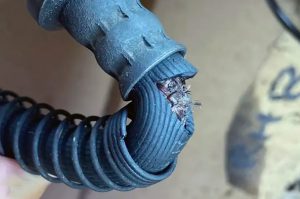
A healthy brake hose ensures:
-
Consistent hydraulic pressure
-
Responsive braking
-
Even braking force across all wheels
-
Safe operation in emergency stops
A failing hose disrupts fluid flow, reduces braking efficiency, and may eventually burst under pressure.
Top Signs Your Brake Hose Is Failing
1. Spongy or Soft Brake Pedal
One of the first symptoms of brake hose deterioration is a spongy, soft, or sinking brake pedal. This happens when:
-
The hose expands internally due to aging
-
The hose material weakens and flexes under pressure
-
Air or moisture enters the line through microcracks
A soft pedal significantly reduces braking precision and increases stopping distance.
2. Brake Fluid Leaks Around the Wheels
Leaking fluid is a clear indicator of hose failure. Common causes include:
-
Cracks in old rubber hoses
-
Corroded or damaged fittings
-
Burst or partially ruptured hose walls
Warning: Brake fluid is hygroscopic and corrosive — leaking fluid not only reduces stopping power but can damage nearby components.
3. Vehicle Pulls to One Side When Braking
If your car veers left or right during braking, one hose may be:
-
Collapsed internally
-
Blocked by debris or wear
-
Leaking fluid and reducing pressure
Uneven brake force is extremely dangerous, especially at high speeds or during emergency stops.
4. Visible Cracks, Bulges, or Wear Marks
Regular visual inspections can reveal early warning signs, such as:
-
Cracking rubber
-
Bulging outer casing
-
Dents or abrasions from road debris
-
Rust around metal fittings
Any visible damage means the hose is unsafe.
5. Brake Drag or Sticking Caliper
A failing brake hose can collapse internally, forming a one-way valve. This prevents fluid from returning to the master cylinder, causing:
-
Constant brake drag
-
Overheating brakes
-
Increased fuel consumption
-
Premature brake pad wear
If one wheel feels hot after driving, a collapsed brake hose may be the culprit.
6. Delayed or Weak Braking Response
When hoses swell or lose structural integrity, fluid flow slows down. As a result:
-
Brakes feel slow or unresponsive
-
You need more pedal pressure to stop
-
Repeated braking worsens the delay
This is especially noticeable during heavy braking or downhill driving.
7. ABS or Brake Warning Light Activation
Modern vehicles detect abnormal brake pressure. A failing hose can trigger:
-
ABS warning light
-
Brake system warning light
While warning lights don’t always indicate a hose issue, they should never be ignored.
Common Causes of Brake Hose Failure
Understanding what leads to brake hose damage helps you prevent premature failure:
-
Age and natural rubber degradation
-
Heat exposure from brake components
-
Road salt, dirt, and moisture
-
Improper installation or twisting during repairs
-
Repeated wheel movement and suspension travel
-
Corrosion of fittings
Table: Symptoms and Likely Causes
| Symptom | Likely Cause | Safety Risk Level |
|---|---|---|
| Spongy brake pedal | Hose swelling or internal weakening | High |
| Fluid leak | Cracks or ruptures | Very High |
| Vehicle pulls to one side | Blocked or collapsed hose | Very High |
| Visible bulges | Structural failure | Critical |
| Brake drag | Restricted fluid return | High |
| Slow response | Fluid flow restriction | High |
How to Confirm a Failing Brake Hose
Mechanics often use these methods:
1. Pressure Testing
Checks for restricted or uneven fluid flow.
2. Visual Inspection
Looks for cracks, leaks, corrosion, or physical damage.
3. Caliper Release Test
If the wheel remains hard to turn after braking, the hose may be internally collapsed.
4. Fluid Leak Detection
Inspects wet spots or low brake fluid levels.
When to Replace Your Brake Hose
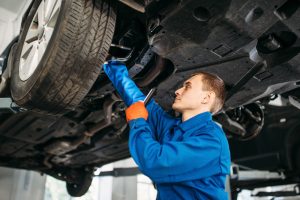
You should replace your brake hose immediately if you notice:
-
Any fluid leakage
-
Bulging or cracked rubber
-
Pulling to one side
-
Brake drag
-
Warning lights related to brake pressure
Even without symptoms, most manufacturers recommend replacing rubber hoses every 5–7 years for safety.
Where to Buy Reliable Brake Hoses
If your hose is failing or you need quality replacements, you can easily buy Hoses, Pipes, Cables & Components online to ensure safe, reliable braking.
Conclusion
Brake hoses may be small, but their failure has serious consequences. From spongy pedals and brake drag to leaking fluid and sudden brake loss, the warning signs should never be ignored. Regular inspections, timely replacement, and quality components keep your braking system responsive and safe.
When symptoms appear, addressing the problem early protects not just your vehicle — but your life.